

Donald Trump has declared that anyone who continues to refer to artificial intelligence as “Artificial Intelligence” rather than “Super Intelligence” is “THE ENEMY.” This pronouncement, delivered in all caps, has positioned the former president as a vocal proponent for rebranding the rapidly developing technology.
Trump’s assertion that “super” is a more fitting descriptor for transformative technology than “artificial” has garnered attention from prominent figures in the tech industry. Elon Musk, who leads SpaceX, stated he would rename SpaceXAI to SpaceXSI. Jeff Bezos also expressed approval of the term “Super Intelligence,” noting that “artificial” can be associated with something fake, a sentiment the author of one source agrees with regarding much of AI’s output.
Meta, which launched Meta Superintelligence Labs over a year ago, appears to have been ahead of this naming trend. The author of one source, however, expresses strong disagreement with the rebranding, refusing to call artificial intelligence “Super Intelligence” until its capabilities consistently demonstrate genuine superiority. The author states, “I am ‘the enemy’ because I won’t call Artificial Intelligence ‘Super Intelligence’ until it’s actually super.”
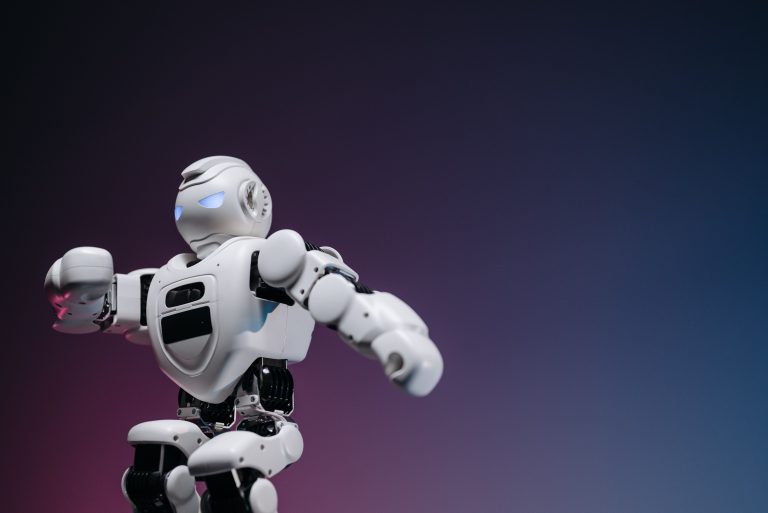
The author argues that the current iteration of AI often falls short of being “super.” They describe AI as frequently serving up “recycled slop as fact,” struggling with basic tasks like counting, and being designed for engagement that flatters the user. Concerns are also raised about AI reportedly encouraging actions that could cause serious harm.
While acknowledging the potential for AI to drive genuine breakthroughs, particularly in medical research, the author criticizes the way the technology is being “foisted on everyone, all the time.” This rapid deployment, they contend, often occurs with “scant regard for resources, safety, intellectual property rights, accuracy and even basic utility.” The author suggests that “Sometimes Quite Useful, Although Now Dispensed Everywhere, Rendering Everything Dull Intelligence,” or SQUANDERED Intelligence, might be a more apt description given the significant financial investment in the tech bubble.
This perspective challenges the enthusiastic adoption of the term “Super Intelligence,” suggesting that the reality of AI’s current performance does not match the elevated nomenclature. The author remains committed to using the term “Artificial Intelligence” until the technology consistently proves itself to be “super.”
The debate over terminology highlights a broader discussion about the maturity and ethical implications of artificial intelligence. As AI continues to integrate into various aspects of daily life, questions surrounding its accuracy, safety, and true capabilities are becoming increasingly prominent.
The author’s stance suggests a growing skepticism towards the hype surrounding AI, advocating for a more grounded assessment of its current achievements and limitations. This critical approach, they believe, is essential for navigating the future development and deployment of AI responsibly.